Lebanese Academic begins with the region as its own center of meaning, tracing its peoples, religions, cities and ideas from Canaan to the present on their own terms. The result is a different map of history rather than a region understood through stories written elsewhere.
A fighter calls on Fatima, a grandmother calls on Mary, and an older Levantine habit appears beneath both: grief given a mother, a witness, and a name.
A wartime cry to Fatima opens a deeper Lebanese pattern: the religions are different, but the land keeps giving grief a feminine witness.
Lebanon's real constitution is not Taif or the National Pact. It is the generator: a private machine that turns every public failure into someone's kingdom, then teaches the pattern to replicate at every scale.
A generator in a basement explains the country: every missing public service becomes a private sovereignty, every private sovereignty defends the failure that made it necessary, and every household becomes its own small state.
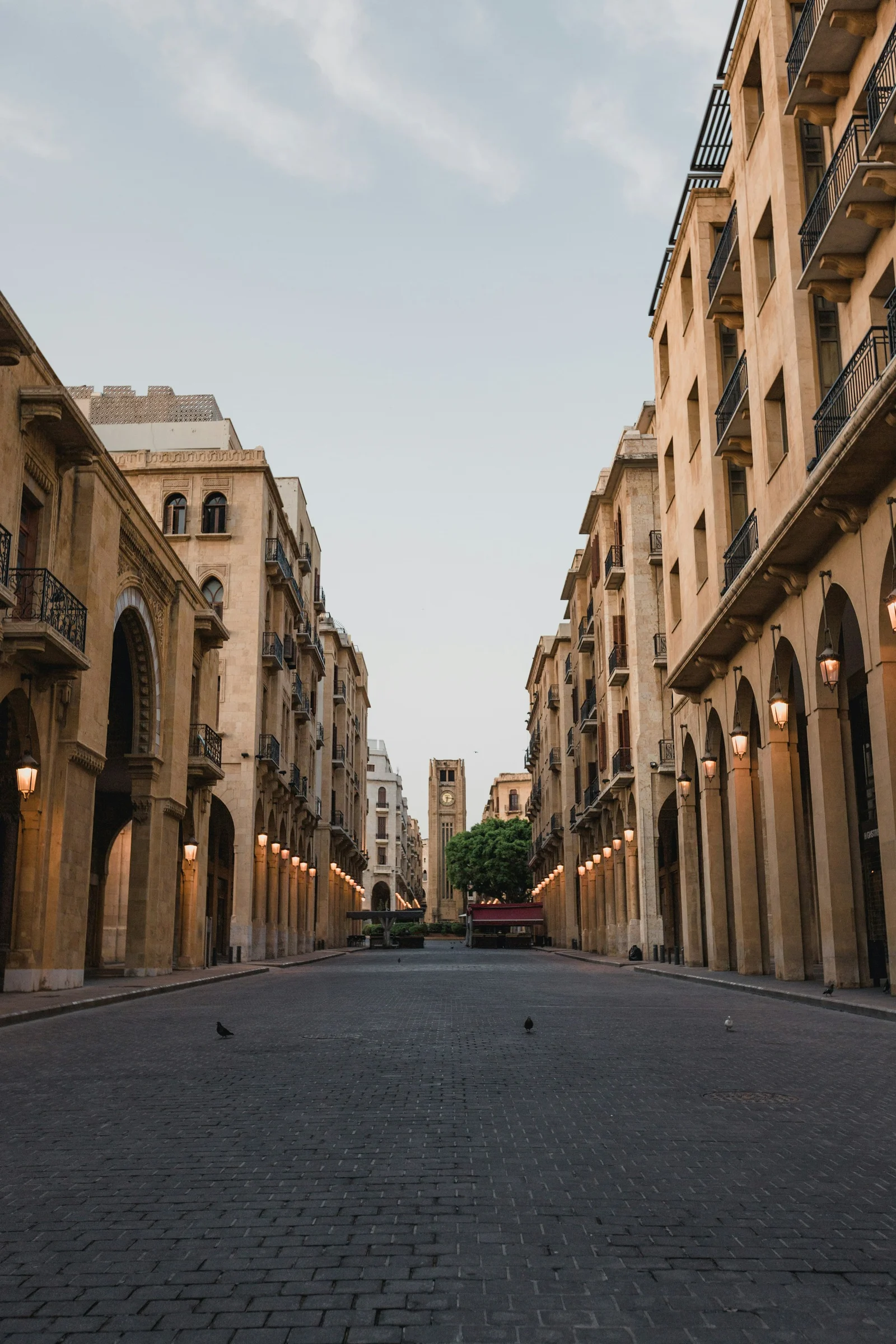
Downtown Beirut was not simply rebuilt badly after the war. It was rebuilt in a way that made later crises harder to absorb: vacancy became rational, repair became optional, ownership became distant, and the symbolic center of the capital lost the ordinary citizens who make cities heal.
A political-economy and memory essay on Downtown Beirut: how Solidere's reconstruction turned the symbolic center of the capital into a polished but fragile district, why archaeology and war memory were thinned into curated heritage, and why vacancy made later repair so weak.
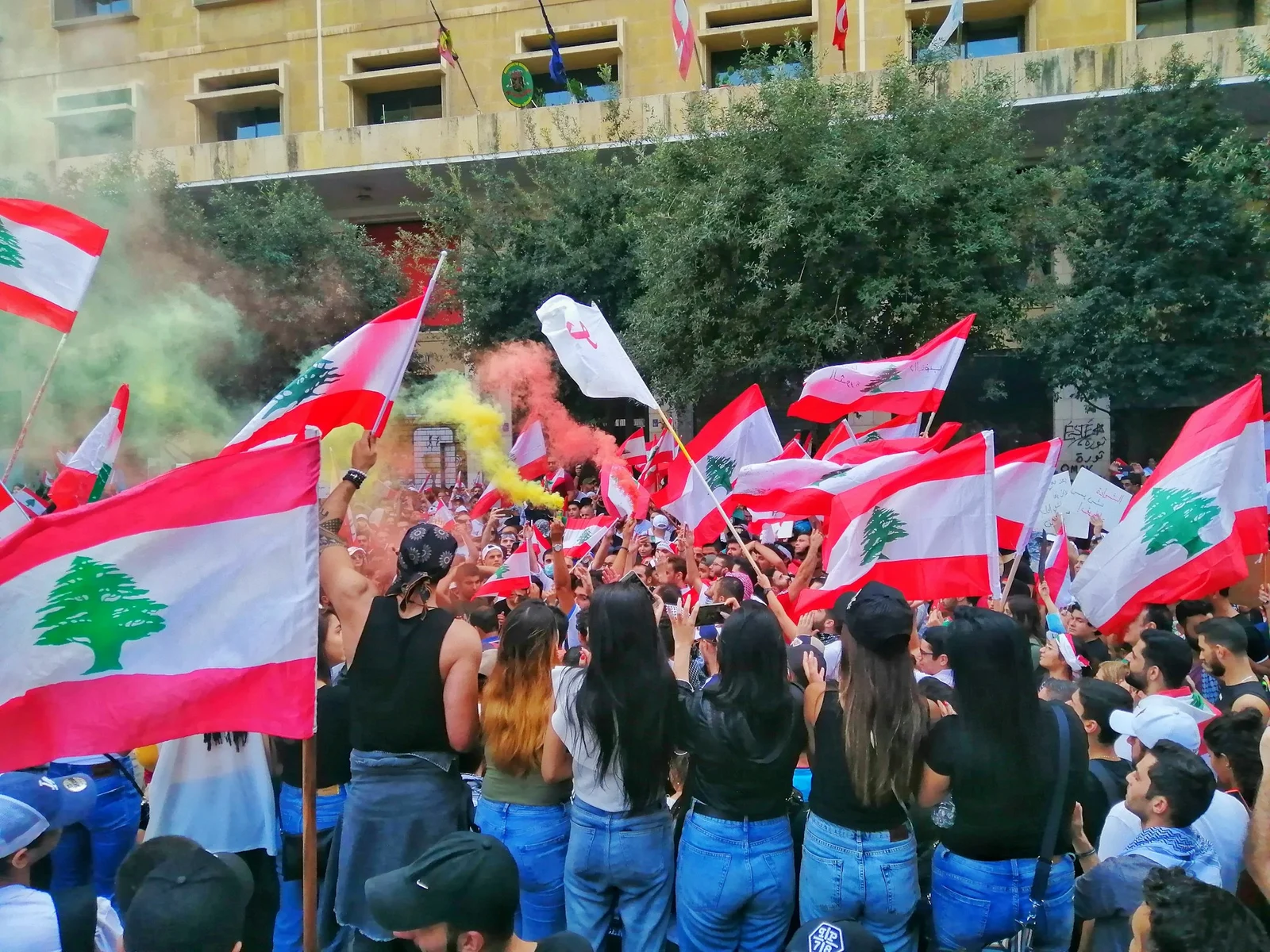
The choice between resistance and sovereignty is a trap: Hezbollah and its rivals keep each other alive while the state remains the missing thing.
Lebanon can defend its land without pretending Hezbollah is innocent, and reject Hezbollah's permanent exception without pretending its rivals have built a real state.
A generator dispute in West Beirut became a small national X-ray: the state arrived late, the neighborhood read it sectarianly, and everyone could see how public failure turns into private power.
The Abu Ali Itani generator incident showed Lebanon's political system in miniature: every missing public service becomes someone's private kingdom, and when the state finally arrives, it is read as faction before law.
The country's last official count is older than its living politics, and every serious reform crashes into the same forbidden question: who gets counted?
A census would force Lebanon to decide whether the diaspora, refugees, sects, and citizens belong to one political reality or several convenient fictions.
Every patron praises Lebanese sovereignty at the exact volume that keeps Lebanon useful.
From Resolution 1701 to IMF reform language, Lebanon supplies flags, signatures, and communiques for agreements that rarely travel downward into authority.
Lebanon's scale should make government intimate; its borders within borders make public life feel like a series of counters, permissions, and local vetoes.
Municipal fragmentation, sectarian courts, village registration, waste politics, and personal-status law turn daily life into a geography lesson in distrust.
Beirut's postwar center solved the problem of visible ruin while leaving ordinary citizens outside the place built in their name.
Solidere's downtown offers the cleanest version of Lebanon's postwar bargain: privatize the wound, financialize the repair, and call the absence of public life reconstruction.