Skip to content

Latest essays

Essay

The Land That Mourns in One Language

A fighter calls on Fatima, a grandmother calls on Mary, and an older Levantine habit appears beneath both: grief given a mother, a witness, and a name.

A wartime cry to Fatima opens a deeper Lebanese pattern: the religions are different, but the land keeps giving grief a feminine witness.

Karim Salam · 8 min read

Read the essay →

Essay

The Generator Republic

Lebanon's real constitution is not Taif or the National Pact. It is the generator: a private machine that turns every public failure into someone's kingdom, then teaches the pattern to replicate at every scale.

A generator in a basement explains the country: every missing public service becomes a private sovereignty, every private sovereignty defends the failure that made it necessary, and every household becomes its own small state.

Karim Salam · 7 min read

Read the essay →

Essay

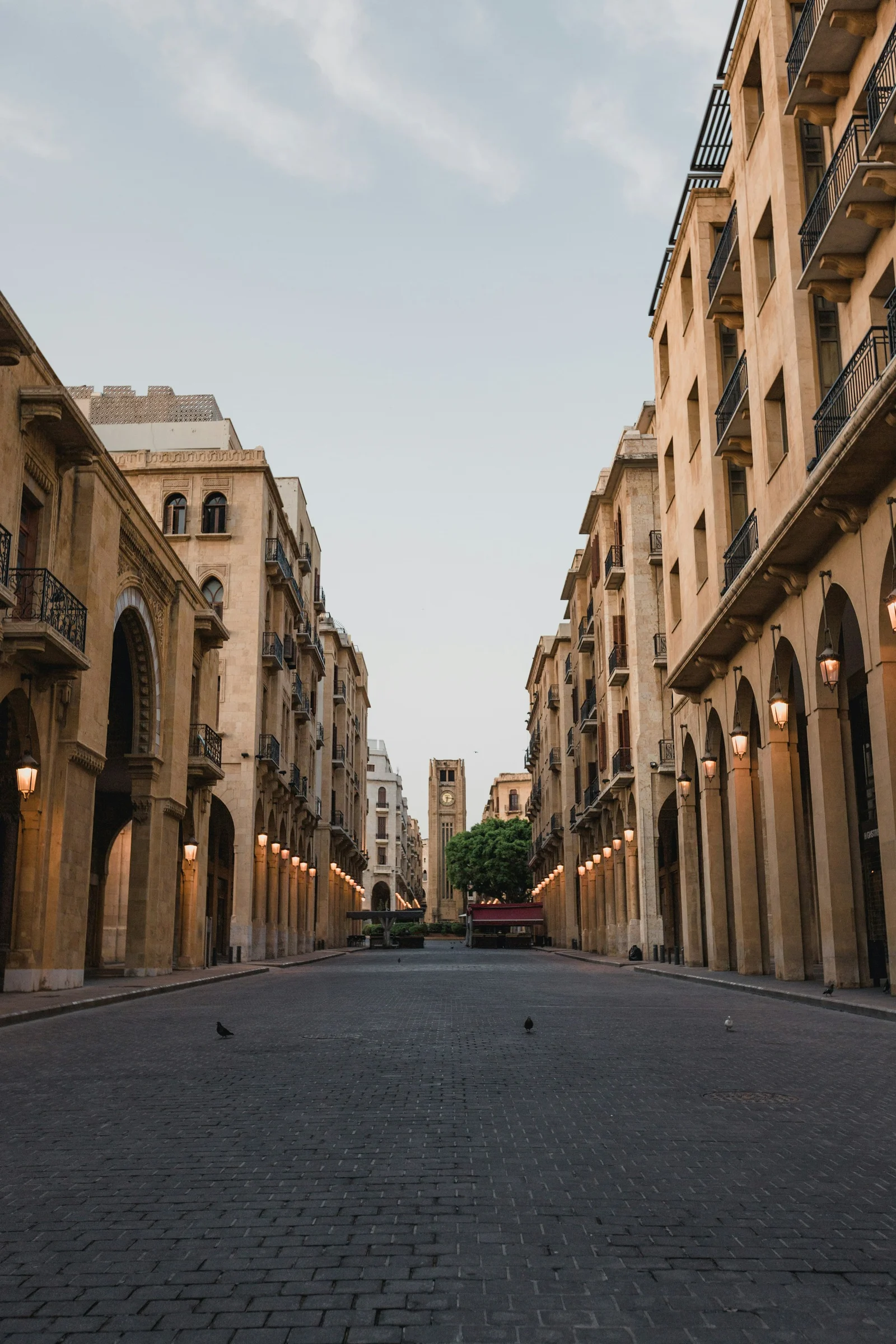
The City That Could Not Repair Itself

Downtown Beirut was not simply rebuilt badly after the war. It was rebuilt in a way that made later crises harder to absorb: vacancy became rational, repair became optional, ownership became distant, and the symbolic center of the capital lost the ordinary citizens who make cities heal.

A political-economy and memory essay on Downtown Beirut: how Solidere's reconstruction turned the symbolic center of the capital into a polished but fragile district, why archaeology and war memory were thinned into curated heritage, and why vacancy made later repair so weak.

Karim Salam · 30 min read

Read the essay →

Essay

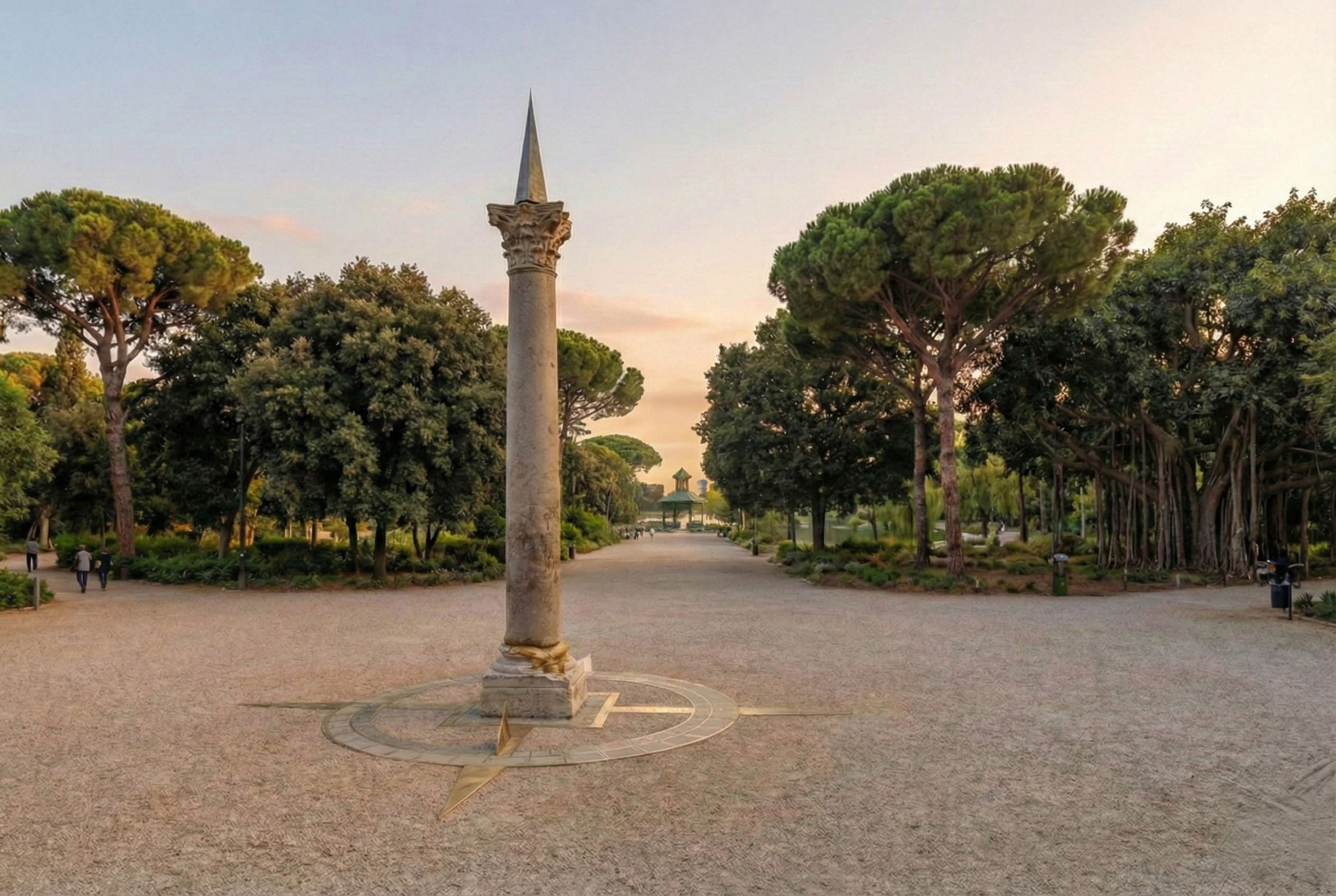
The Park That Remembers

We redesigned Beirut Park because this city deserves a public place that remembers what it keeps erasing.

We kept the path around the park. Inside it, we made room for a city to recognize itself.

Karim Salam · 7 min read

Read the essay →

Essay

The Cartel in the Costume of a Country

The choice between resistance and sovereignty is a trap: Hezbollah and its rivals keep each other alive while the state remains the missing thing.

Lebanon can defend its land without pretending Hezbollah is innocent, and reject Hezbollah's permanent exception without pretending its rivals have built a real state.

Karim Salam · 6 min read

Read the essay →

Essay

How a Generator Owner Showed Why Lebanon Has No State

A generator dispute in West Beirut became a small national X-ray: the state arrived late, the neighborhood read it sectarianly, and everyone could see how public failure turns into private power.

The Abu Ali Itani generator incident showed Lebanon's political system in miniature: every missing public service becomes someone's private kingdom, and when the state finally arrives, it is read as faction before law.

Karim Salam · 10 min read

Read the essay →

Essay

The Census That Cannot Be Taken

The country's last official count is older than its living politics, and every serious reform crashes into the same forbidden question: who gets counted?

A census would force Lebanon to decide whether the diaspora, refugees, sects, and citizens belong to one political reality or several convenient fictions.

Karim Salam · 8 min read

Read the essay →

Essay

Sovereignty Theatre

Every patron praises Lebanese sovereignty at the exact volume that keeps Lebanon useful.

From Resolution 1701 to IMF reform language, Lebanon supplies flags, signatures, and communiques for agreements that rarely travel downward into authority.

Karim Salam · 8 min read

Read the essay →

Essay

The Rubble Zone

Israel's old security-zone logic has returned to the south, promising calm through distance while producing the grievance Hezbollah knows how to use.

A buffer made of emptied villages can move the line of danger, but it also turns houses, orchards, roads, and schools into evidence for the next war.

Karim Salam · 8 min read

Read the essay →